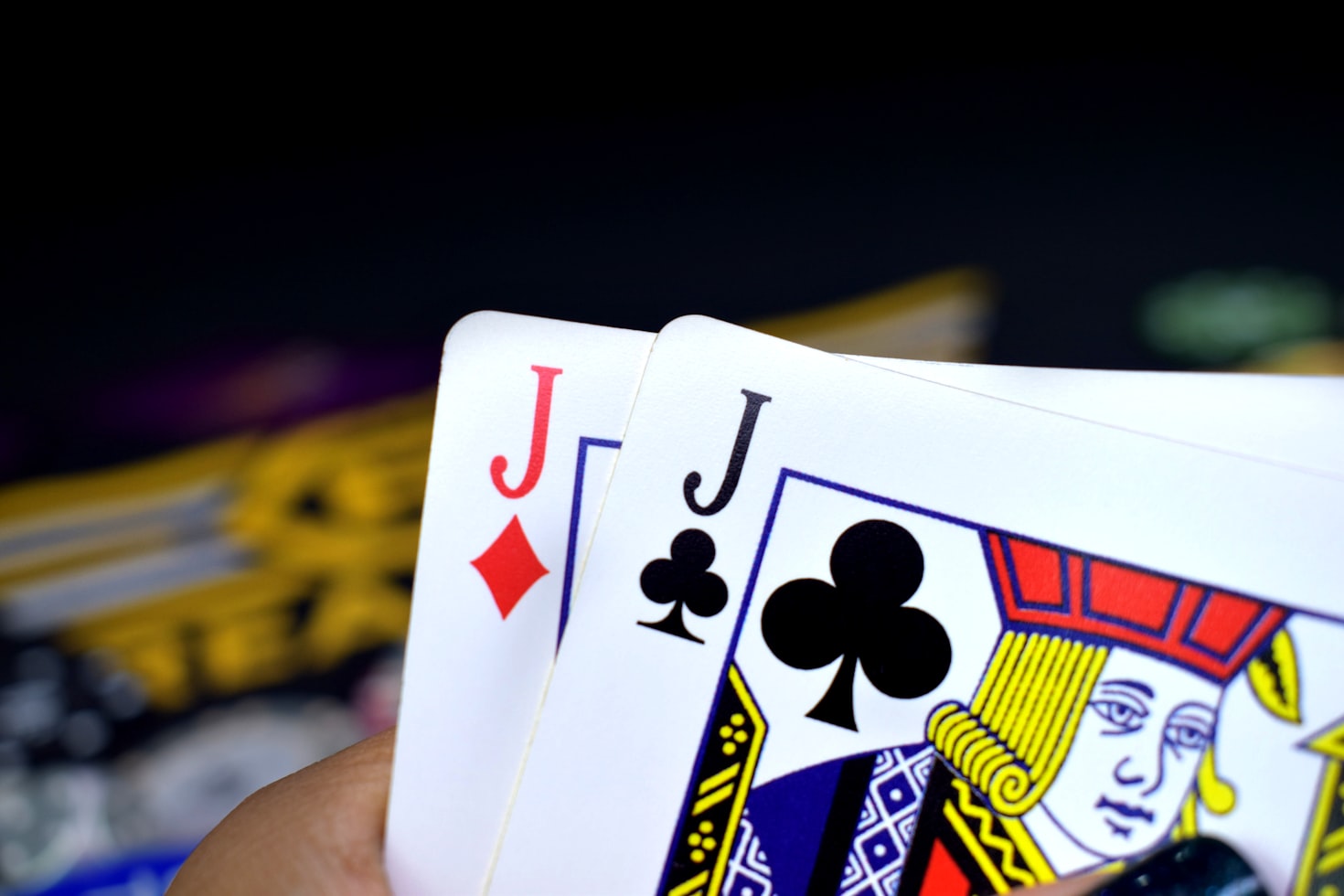
The Role of Randomness in Gambling
At the heart of all casino games lies the principle of randomness. Every spin of a slot machine, roll of the dice, or turn of a card is governed by random number generators or established odds. This inherent randomness creates a level playing field where luck reigns supreme. For instance, even the most seasoned gamblers can experience prolonged streaks of wins or losses, simply due to the unpredictable nature of these games. If players want to enhance their experience, they might consider resources like kemas kini mega888 to stay informed about the latest trends, as each time you engage in play, you are essentially participating in a game of chance, where the outcome is as unpredictable as the weather.

Understanding randomness can help players develop a healthier perspective on their gambling habits. Many individuals may attribute their wins to skill or strategy, but in reality, the outcome is often dictated by sheer luck. Recognizing this can prevent players from becoming overly confident and help them manage their expectations, leading to a more enjoyable experience. It’s crucial to remember that while skill can enhance your gameplay, it cannot control the outcome dictated by random chance. Players who learn to appreciate the randomness may find themselves better equipped to handle the emotional ups and downs of gambling.
Moreover, luck is not a fixed phenomenon; it can be influenced by external factors, such as the time of day or the emotional state of the player. Some individuals believe that a particular time, like late at night, spurs better luck at the tables. This belief, while not scientifically backed, showcases how psychological factors can intertwine with the concept of luck, blending the empirical and the subjective into the gambling experience. In essence, the perception of luck can vary greatly from one player to another, adding a layer of complexity to the overall understanding of gambling outcomes.
The Environment and Its Impact on Luck
The casino environment itself can significantly affect a player’s perception of luck. Factors such as ambiance, noise levels, and even the presence of other players can create a unique atmosphere that either enhances or detracts from the experience. A lively, bustling casino may induce a sense of excitement, making players feel invincible and luckier in their endeavors. In contrast, a quieter setting might lead to more reflective play, where individuals become more aware of their decisions and outcomes. The energy of the environment can even lead to a collective sense of luck among players, amplifying the thrill of the game.
Moreover, the layout of the casino, with its flashing lights and engaging sounds, is designed to invoke feelings of luck and fortune. Games are strategically placed to draw in players, and the overall decor is often optimized to reflect themes of success and prosperity. This carefully curated environment can foster an illusion of being in the right place at the right time, leading players to feel luckier than they might otherwise. Such psychological aspects cannot be ignored, as they play a crucial role in influencing player behavior and outcomes. The sensory stimuli of the casino can create an immersive experience that heightens the perception of luck.
Certain games may also be geographically luckier than others depending on players’ experiences and superstitions. Some players prefer to congregate around particular tables or machines because they believe that these spots bring better fortune. This camaraderie and shared experience can create an intense atmosphere of collective belief in luck, further amplifying the idea that the environment can indeed affect outcomes at the casino. This phenomenon showcases how the social dynamics of gambling can intertwine with personal belief systems, creating a multifaceted gambling experience.
The Influence of Personal Beliefs and Superstitions
Personal beliefs and superstitions are deeply rooted in the realm of gambling. Many players carry charms, wear specific clothing, or engage in rituals before taking a gamble, believing these actions will sway luck in their favor. For instance, some players may avoid stepping on cracks or abide by certain numbers they consider lucky, reflecting how deeply intertwined personal belief systems can be with gambling outcomes. These rituals often provide a sense of control in an otherwise unpredictable environment, helping players feel more at ease as they engage with chance.
An interesting example is the use of lucky coins or specific betting patterns that players adhere to, believing that these will yield favorable results. While there’s no empirical evidence to support these beliefs, they serve an important psychological function. Engaging in superstitious behavior can enhance a player’s confidence, potentially impacting their overall performance and decision-making processes at the table. This interplay between belief and behavior illustrates how deeply psychological factors can shape the gambling experience.
Furthermore, the power of mindset cannot be underestimated. Players who approach gambling with a positive attitude often experience a heightened sense of luck. Positive thinking can lead to more decisive play and an increased willingness to engage, thus potentially influencing the outcomes of games. This interplay between belief, emotion, and luck exemplifies the complexities that define gambling experiences in a casino environment. By fostering a mindset geared towards positivity and optimism, players may find themselves more open to the possibilities that luck can bring.
The Importance of Bankroll Management
Successful gamblers understand that luck is just one part of the equation; effective bankroll management is essential for long-term enjoyment and success in a casino setting. Setting limits on losses and wins helps players maintain control over their gambling experience, allowing them to enjoy the thrill without falling victim to the downfalls of impulsive betting. This disciplined approach to bankroll management is crucial for ensuring that gambling remains a form of entertainment rather than a source of financial stress. Without proper management, even the luckiest players can find themselves in precarious situations.
Moreover, implementing a structured approach to bankroll management encourages players to make more thoughtful decisions. By dividing their bankroll into smaller segments, gamblers can determine how much they are willing to spend on each game without risking their total funds. This can foster a sense of responsibility, allowing players to enjoy the game’s thrill while keeping their financial well-being intact. Over time, skilled management of their funds can enhance the perception of luck, as players will feel more in control of their gambling journey. This empowered mindset can lead to more enjoyable experiences overall.
Additionally, many casinos offer rewards programs and incentives that can benefit players in the long run. By strategically utilizing these programs, players can extend their playtime while minimizing their losses. This added layer of financial strategy influences the overall gambling experience, potentially leading players to feel luckier as they maximize their chances of hitting it big without overstretching their bankroll. With a keen understanding of rewards systems, players can leverage luck while maintaining a balanced approach to their gaming sessions.
Maximizing Your Experience at the Casino
Ultimately, understanding the various factors that influence luck at the casino can significantly enhance your overall experience. Being aware of the randomness inherent in gambling can help players cultivate a balanced approach, allowing them to enjoy the games without becoming overly discouraged by inevitable losses. Embracing the unpredictable nature of luck can make for a more fulfilling experience, as players can appreciate the thrill of gambling for what it is. Recognizing that luck is just one aspect of the broader gaming experience can lead to deeper enjoyment.
Furthermore, recognizing the role of environment, personal beliefs, and effective bankroll management can empower players to make informed decisions. This empowering mindset can enhance enjoyment and foster a more profound connection to the gambling experience, making the notion of luck feel less daunting and more like an adventure to be embraced. Players can then focus on the enjoyable aspects of the games, cultivating moments of joy rather than mere fixation on outcomes. This holistic understanding of gambling can transform how one approaches each visit.
By integrating these insights into your gambling approach, you’ll find a richer experience awaits you at the casino. It’s not just about luck—it’s about how you engage with the games, the strategies you implement, and the atmosphere in which you immerse yourself. Embracing this comprehensive understanding will allow you to savor each moment spent in the casino, turning each visit into an opportunity for enjoyment rather than solely seeking luck. Ultimately, the journey of gambling should be about the memories created and the thrill of the game, rather than merely the outcomes achieved.